- (714) 228-5676 24/7
- Anaheim Hills, CA 92808
- Available 24 Hours / 7 Days

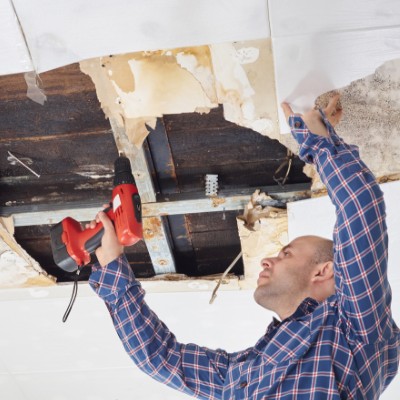
Water damage is one of the most disruptive events a homeowner can face. Whether it comes from a burst pipe, an appliance failure, a slow leak that was finally discovered, or a storm that pushed water into your living space, the damage it leaves behind is often more extensive than it first appears. A wet carpet is rarely just a wet carpet. The water beneath it, in the pad, in the subfloor, and in the wall base it ran up against, is the real problem. At Water Damage Anaheim, we handle the complete restoration process for homes throughout Anaheim Hills and the 92808 zip code, from the moment water extraction begins through the final inspection of rebuilt and refinished rooms. Call us any time at (714) 228-5676. We are available 24 hours a day, 7 days a week.
Water damage restoration is not just about getting things dry. It is about getting things dry correctly, verifying that they are actually dry with measurements, and making sure that the structure you are living in is safe and sound when the process is complete. Rushing the drying process, pulling equipment too early, or failing to find hidden moisture pockets are mistakes that lead to mold growth, structural deterioration, and insurance claim complications down the road. Our approach is thorough and documented.
We are available right now. Call for immediate 24/7 response anywhere in the 92808 zip code.
(714) 228-5676 Water Damage Anaheim. Locally based in Anaheim, CA 92808.Most homeowners are surprised by how far water travels from the source of a leak or overflow. Water follows the path of least resistance, which in a home means it runs along framing members, wicks up drywall, migrates under flooring, seeps into insulation, and collects in the lowest accessible point it can reach. By the time you see a stain on a ceiling or a buckled floor, water has likely been traveling through your home's structure for some time.
Here are the pathways water commonly takes in a typical Anaheim Hills home, and why thorough moisture investigation is essential:
Professional water damage restoration in Anaheim Hills is divided into three distinct phases. Each must be completed properly before moving to the next:
This is the immediate phase. We arrive at your home, conduct a rapid assessment of the damage category and extent, and begin water extraction. Truck-mounted extractors pull standing water from hard surfaces, carpet, and areas where water has pooled. We continue extracting until no more standing or readily accessible water remains. This phase is about stopping active damage as quickly as possible. The faster water is extracted, the less it penetrates deeply into structural materials.
We also take initial moisture readings throughout the affected area and document them. These readings establish the pre-drying baseline that will guide our drying process and demonstrate to your insurance company what conditions were like at the start.
After extraction, the real work of drying begins. Standing water is only a fraction of the total water in a damaged structure. The water that has been absorbed into drywall, subfloor, insulation, and framing must be evaporated and removed from the air. This requires:
Once the structure is verified dry and any mold prevention treatments have been applied, the rebuild phase begins. The goal is to restore your home to its condition before the water damage occurred. This phase includes:
One of the harder conversations in water damage restoration is about what materials need to come out versus what can be dried in place. We are direct with homeowners about this because the wrong decision creates future problems:
Solid wood framing (studs, joists, blocking) can typically be dried in place unless it has been wet so long that mold has established itself on the wood surface. Concrete subfloors can be dried in place. Non-porous surfaces like tile (without mortar bed saturation) can be dried by addressing what is beneath them. Drywall in good condition with no contamination can sometimes be dried in place if moisture content is not too high and if wall cavity drying equipment can access the space.
Carpet and carpet pad are almost always removed after a significant water event, especially if contaminated water was involved. The pad in particular holds water and does not dry adequately in place. Drywall that has absorbed significant moisture, that shows mold growth, or that has softened and lost structural integrity needs to come out. Insulation, particularly fiberglass batts, holds moisture and creates ideal conditions for mold. Hardwood flooring that has cupped or buckled extensively may not be able to be sanded flat after drying. We assess each piece of flooring honestly and give you an accurate picture of restoration versus replacement costs.
Our documentation process is one of the most important services we provide. From the moment we arrive, we photograph and record:
This documentation package is prepared in a format that insurance adjusters in California are familiar with and that meets the evidentiary requirements for processing a restoration claim. We work with all major homeowner insurers operating in Orange County and can communicate directly with your adjuster when questions arise. We do not inflate claims or exaggerate damage. We document what we find and what we do, accurately and completely.
The quality of restoration is directly tied to the quality of the equipment used. We do not use residential fans or consumer dehumidifiers for professional drying jobs. Our equipment inventory includes:
We provide full water damage restoration services to every neighborhood in the Anaheim Hills 92808 area. Our local familiarity means we understand the construction types and common damage patterns in each part of the zip code:
The actions you take in the first hour after discovering water damage significantly affect how much damage occurs. Here are the most important steps, and then call us at (714) 228-5676:
Read our full blog guide on what to do in the first hour after water damage for more detail on protecting your home and possessions before we arrive.
A complete restoration starts with emergency extraction and moisture assessment, moves through structural drying with commercial equipment, includes removal of damaged materials that cannot be restored, antimicrobial treatment of structural surfaces, and ends with rebuild, including new drywall, flooring, paint, and any other affected finishes. We handle the entire process from your first call through the final walk-through.
The drying phase typically takes three to seven days depending on the extent of damage and the materials involved. The rebuild phase varies from a few days for a single room to several weeks for more extensive damage affecting multiple rooms. We give you a realistic timeline at the start and keep you updated throughout the process.
For most standard water damage situations, homeowners can remain in unaffected parts of the home during restoration. If there is contaminated water, extensive drywall removal, or mold remediation involved, temporary relocation may be recommended for health and safety reasons. We will advise you honestly based on what we find in your specific situation.
Dryness is determined by objective moisture meter readings, not by feel or appearance. We take measurements in all affected materials and compare them to established target moisture levels for each material type. Wood framing, drywall, and concrete each have specific acceptable moisture content ranges. We do not pull drying equipment until readings confirm materials have reached those targets.
Sometimes. It depends on the wood species, the finish, how long the water was present, and whether the subfloor beneath is also wet. We assess each situation honestly. Solid hardwood has better restoration potential than engineered wood. We use targeted drying approaches for hardwood when the situation warrants it, but we will always tell you honestly if replacement is the more practical option financially and structurally.
We work around your belongings as much as possible and advise you on which items should be moved to unaffected areas. Soft goods like rugs, clothing, and upholstered furniture that absorbed water may need to be assessed for restoration or disposal. We document all personal property that is affected as part of your insurance claim. For valuable or large items, we can coordinate with professional content restoration companies.
From the first call to the final walk-through, Water Damage Anaheim handles every step of your water damage restoration in the 92808 zip code. We are local, available 24/7, and committed to getting your home back to normal as quickly and correctly as possible.
(714) 228-5676 Schedule a Free Assessment